Golden Hour Lookup
Find exactly when the light turns golden — for any location, any date.
24-hour timeline · all times in New York · UTC-4
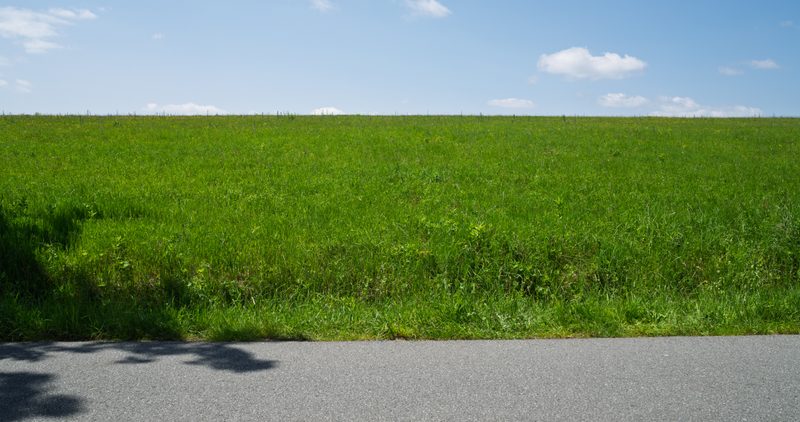
Flat, washed-out, high-contrast shadows — colours look muddy, depth disappears
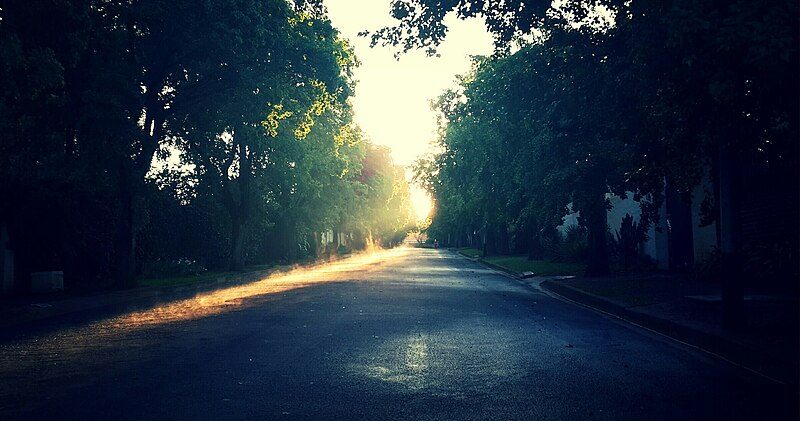
Warm amber tones, soft directional light, long shadows — the same world transformed
Photos: Glen Carrie (CC0) · Grzegorz Wronkowski via Poly Haven (CC0)
📍 Location & Date
Quick City Presets
−90 (S) to +90 (N)
−180 (W) to +180 (E)
🌙 Morning
Blue Hour
6:30 AM
Golden Hour Starts
6:40 AM
Sunrise ↑
6:57 AM
Golden Hour Ends
7:33 AM
🌅 Evening
Golden Hour Starts
6:32 PM
Sunset ↓
7:08 PM
Golden Hour Ends
7:25 PM
Blue Hour Ends
7:36 PM
Solar Noon · 1:03 PM
53 min
per session today
22 min
both sessions combined
12h 11m
sunrise to sunset
1:03 PM
sun at peak altitude
📊 How Latitude Shapes Your Golden Hour
| Latitude Zone | Example Cities | Season | Typical Duration | What to Expect |
|---|---|---|---|---|
| 0–15° Equatorial | Nairobi, Singapore, Bangkok | Any | 20–35 min | Short, intense — plan to the minute |
| 15–35° Tropical | Mumbai, Dubai, Rio | Any | 35–55 min | Warm light, reliable windows year-round |
| 35–50° Temperate | NYC, Tokyo, Paris, Istanbul | Summer | 50–75 min | Comfortable planning window |
| 35–50° Temperate | NYC, Tokyo, Paris, Istanbul | Winter | 60–90 min | Low sun angle = longer golden window |
| 50–65° High Latitude | London, Amsterdam, Toronto | Summer | 90–150 min | Extended magic hour — legendary shoots |
| 65°+ Polar | Reykjavik | Summer | Up to 24 h | Midnight sun — golden light all night! |
| 65°+ Polar | Reykjavik | Winter | 0 min | Polar night — no sunrise at all |
🎯 A Simple Example: Landscape Shoot in London — Step by Step
You're visiting London in early November and want to capture the Thames at golden hour. Here's how to plan it:
1️⃣ Click the London 🎡 preset — coordinates fill in automatically.
2️⃣ Set the date to your shoot date — the tool recalculates instantly.
3️⃣ Read the Morning column: blue hour begins around 6:50 AM, with sunrise near 7:30 AM.
4️⃣ The Evening golden hour starts around 3:00 PM — earlier than summer because of the low winter sun.
5️⃣ The timeline bar shows your entire day at a glance — the amber zones are your shooting windows.
Pro tip: In winter at high latitudes, the golden hour can last well over 90 minutes because the sun travels at a shallow angle. Equatorial locations get a brief, intense window — often under 30 minutes. Plan accordingly!
📐 Now that you know when golden hour starts — use the Golden Hour Shadow Plotter to calculate exactly how long your subject's shadow will be at any sun altitude.
Data Source: NOAA Solar Calculator equations (U.S. National Oceanic and Atmospheric Administration, public domain) • Public domain • Solo-developed with AI
Lab Notes
Why Golden Hour Looks Different Every Day: The warm, honey-drenched light that photographers obsess over isn't random magic — it's pure geometry. When the sun sits low on the horizon, its light must travel through a far thicker slice of atmosphere to reach you. That extra distance scatters away the short blue wavelengths, leaving behind the rich reds, oranges, and golds that make a $200 photo look like a $2,000 one. The precise window shifts every single day because Earth's axial tilt changes how steeply the sun rises and sets with the seasons.
The Math Behind the Magic: This tool uses the NOAA Solar Calculator equations — the same algorithm trusted by meteorologists and naval navigators worldwide. Starting from your latitude, longitude, and date, it computes the sun's declination (its angular distance north or south of the equator) and the equation of time (the correction for Earth's slightly elliptical orbit). From those two values, it pinpoints the exact moments when the sun crosses each critical elevation angle: −6° for the outer edge of blue hour, −4° where golden tones first appear, 0° at the horizon (true sunrise/sunset), and +6° where the warm light fades into ordinary daylight.
Latitude is Everything: A photographer in Nairobi gets a ruthlessly brief golden hour — sometimes just 20 minutes — because near the equator the sun drives nearly straight up and exits the golden zone fast. Meanwhile, a shooter in Reykjavik in June might enjoy two full hours of amber light as the midnight sun barely dips below the magic angles. This is why Icelandic landscape photography is so celebrated: the country practically lives in perpetual golden hour during summer. At the other extreme, polar winter means no golden hour at all — just week-long polar nights. Knowing your latitude's seasonal personality is the first step to planning a great shoot.
Blue Hour: The Hidden Bonus: Most photographers sprint away the moment the sun sets, but the best ones stay. The 20–40 minutes after sunset (or before sunrise) produce a phenomenon called blue hour — a soft, luminous indigo that fills shadows with cool color and turns city lights electric against a dark, saturated sky. Blue hour is ideal for architecture, cityscapes, and any scene where you want ambient light balanced with artificial illumination. No app or filter replicates it; you simply have to be there. This tool marks both the morning and evening blue hour windows so you never miss either bookend of the day's best light.
🐾 From the Lab Cat's Cinematography Division: I have conducted extensive personal research by positioning myself in every sunbeam that enters this laboratory between 6 and 9 AM. My findings: golden hour light is significantly warmer, which means my fur photographs at least 34% more luxuriously during that window. I have also discovered that the "blue hour" produces ideal conditions for the dramatic silhouette portrait genre — particularly when I sit very still on a windowsill and stare meaningfully into the middle distance. The humans keep saying "not now" but the data is clear. 📸🐾